Description
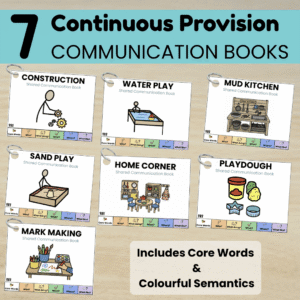
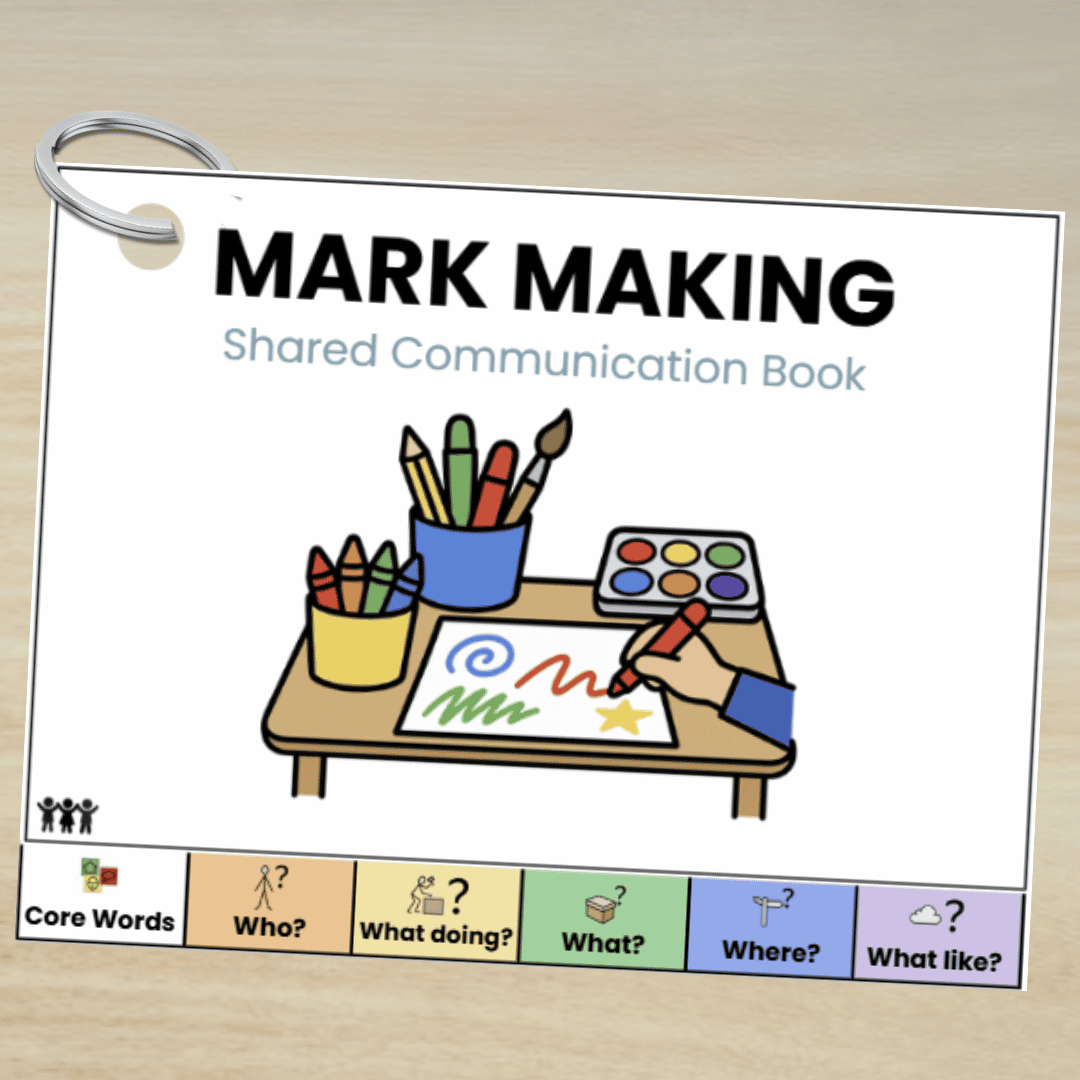
The Mark Making Communication Book is a visual communication resource designed to support autistic and neurodivergent learners during meaningful mark-making experiences. It is part of the Elevating Neurodiversity Shared Communication Book series.
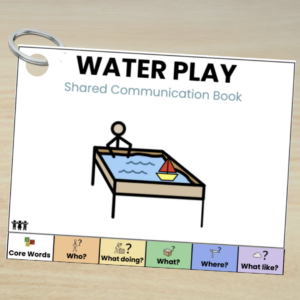
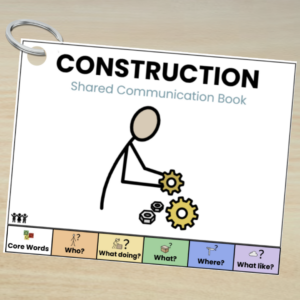
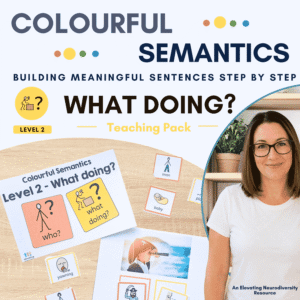
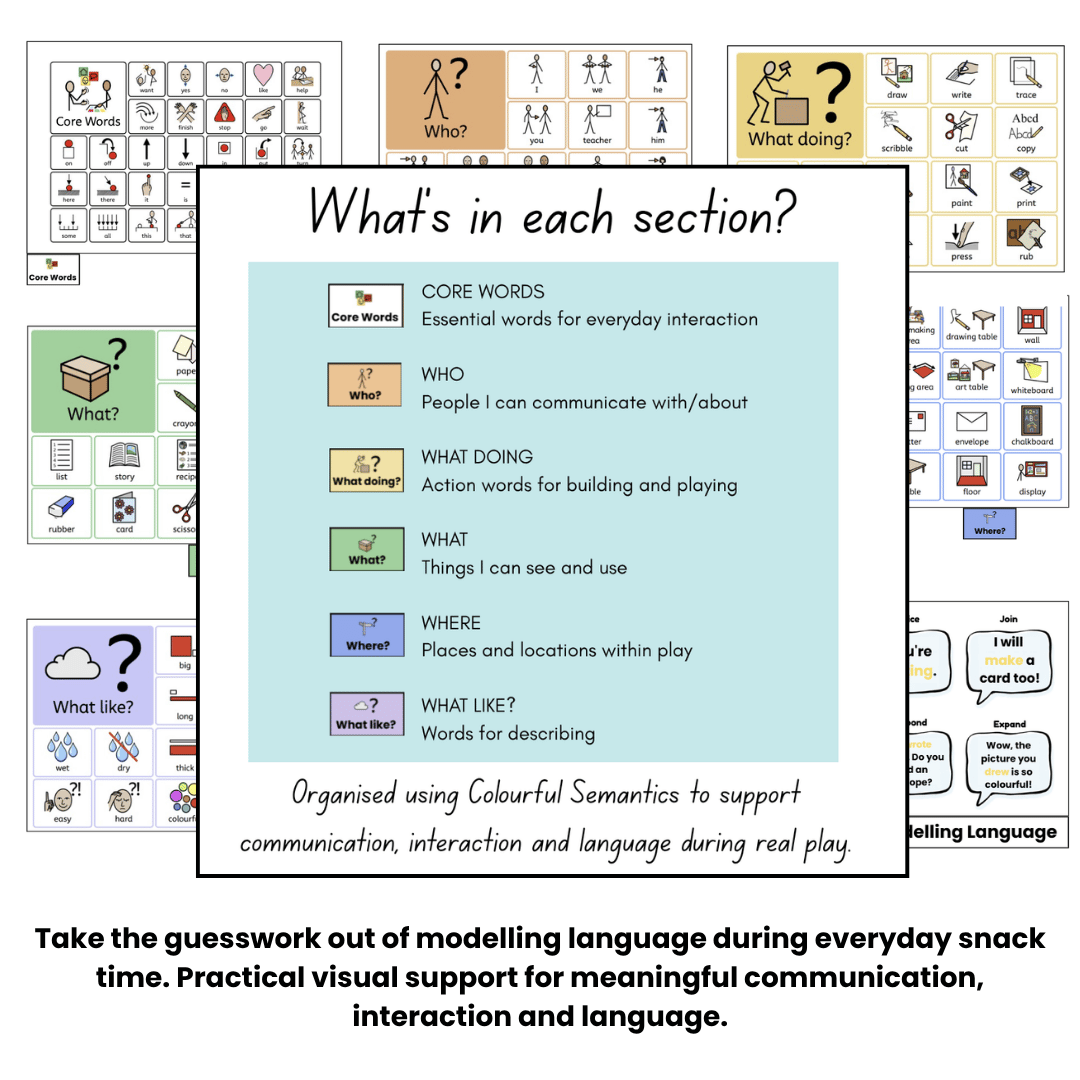
Using the Colourful Semantics framework, the book brings together vocabulary for Core Words, WHO, WHAT DOING, WHAT, WHERE and WHAT LIKE?, giving adults a practical visual resource to support communication while children are drawing, scribbling, colouring, painting, writing and exploring different mark-making tools and materials.
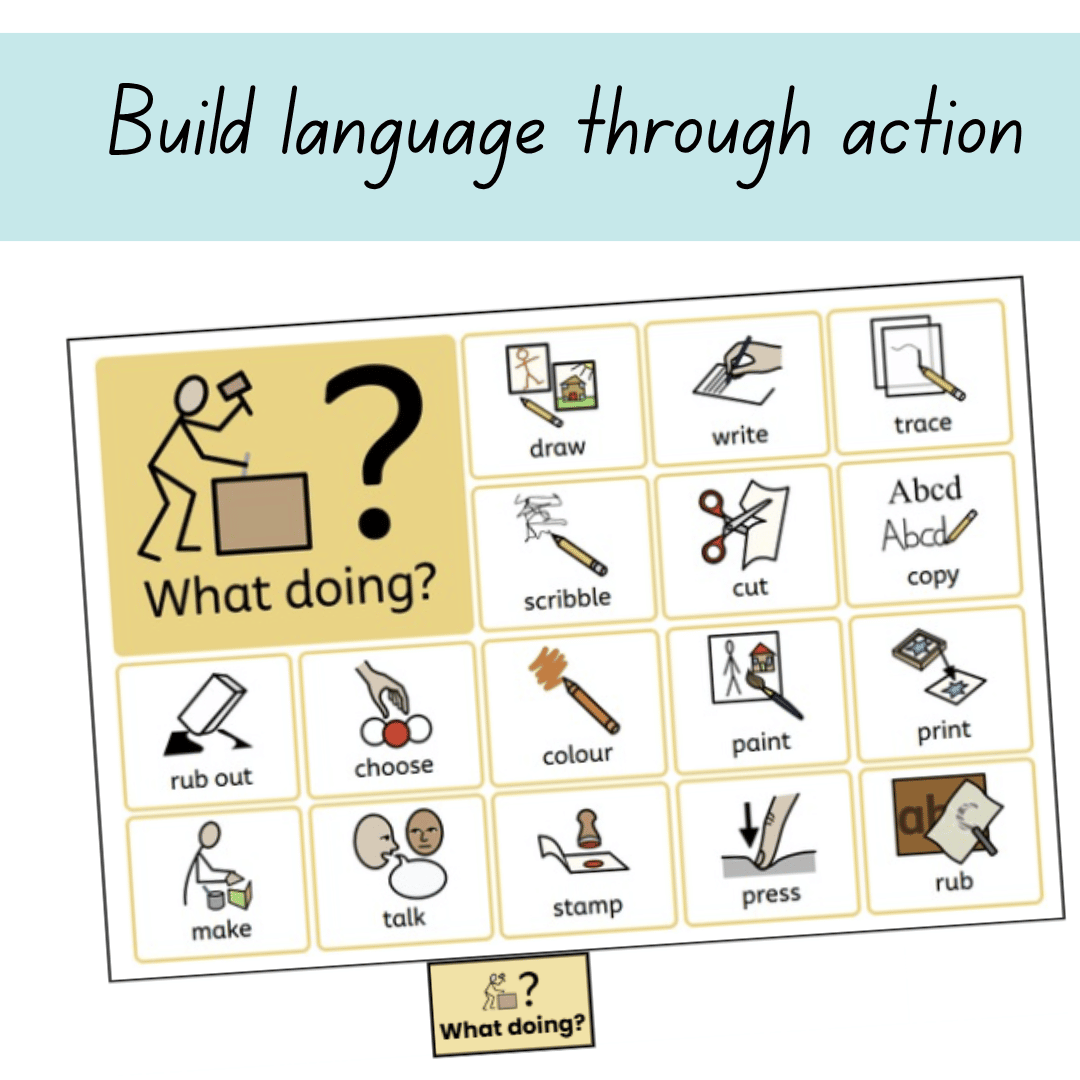
Mark making creates natural opportunities for communication because children can draw, scribble, write, mark, colour, paint, trace, copy, print, stamp, press, rub, circle, make, choose and erase. The book helps adults use these real experiences as opportunities to model meaningful language without turning mark making into a formal language task.
The focus is on shared communication through real experiences. Adults can follow the child’s interests, model relevant vocabulary, respond to their communication and expand on what they are already doing.
What’s included
The Mark Making Communication Book includes six Colourful Semantics communication sections alongside a Core Words section.
The WHAT DOING section focuses on actions such as draw, scribble, write, mark, colour, paint, trace, copy, print, stamp, press, rub, circle, make, choose and erase.
The WHAT section includes familiar mark-making materials and tools such as paper, card, pencil, crayon, pen, chalk, paint, brush, marker, ruler, stencil, stamp, sponge, eraser, clipboard and notebook.
The WHERE section focuses on meaningful locations associated with mark making, including mark making area, writing area, drawing table, art table, worktop, easel, table, floor, wall, whiteboard, blackboard, display board, classroom, creative area and outdoor area.
The WHAT LIKE? section supports descriptive and commenting language with words such as big, little, long, short, thick, thin, dark, light, bright, colourful, messy, smooth, rough, wet, dry and bold.
The WHO section supports people who may be involved in mark-making experiences, while the Core Words section provides functional vocabulary for everyday communication.
Model language during real mark making
The resource encourages adults to use mark making as an opportunity for natural communication, rather than simply asking children to name colours, tools or shapes.
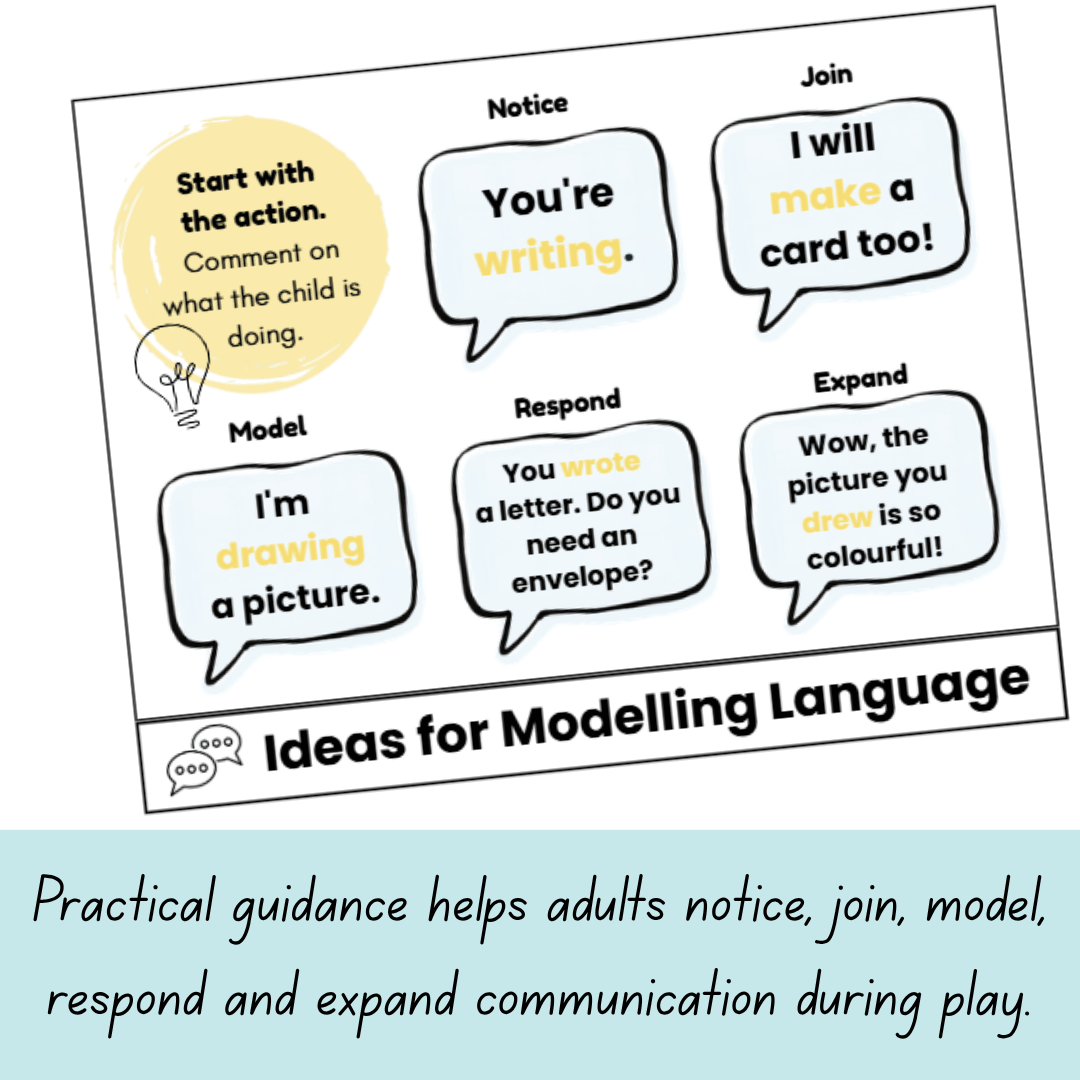
Adults can notice what the child is doing, join their activity, model a useful word or phrase, respond to their communication and add one more meaningful idea.
For example, an adult might model “You’re drawing,” “I’m making a mark,” “You chose the red crayon,” or “That’s a big, wiggly line.”
The aim is to make communication part of the experience, giving children opportunities to communicate about what they are doing, what they are using, where they are working and what their marks look and feel like.
Who is it for?
The Mark Making Communication Book is suitable for class teachers, specialist teachers, teaching assistants, SENCOs, speech and language professionals and families supporting autistic and neurodivergent learners.
It can be used in mainstream classrooms, specialist settings, autism provision, early years environments and at home during drawing, writing, painting and mark-making activities.
Part of the Shared Communication Book series
Mark Making is part of the Elevating Neurodiversity Shared Communication Book series, created to support communication within everyday play, routines and learning experiences.
Each book uses the same familiar visual structure while focusing on vocabulary that is meaningful within a particular activity or environment. This allows adults and learners to build familiarity with the Colourful Semantics system while using language in real contexts.
Digital PDF resource. No physical product will be shipped.