Description
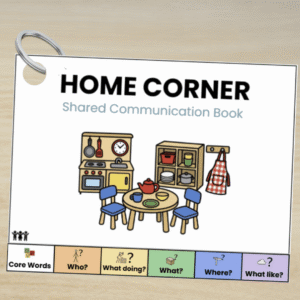
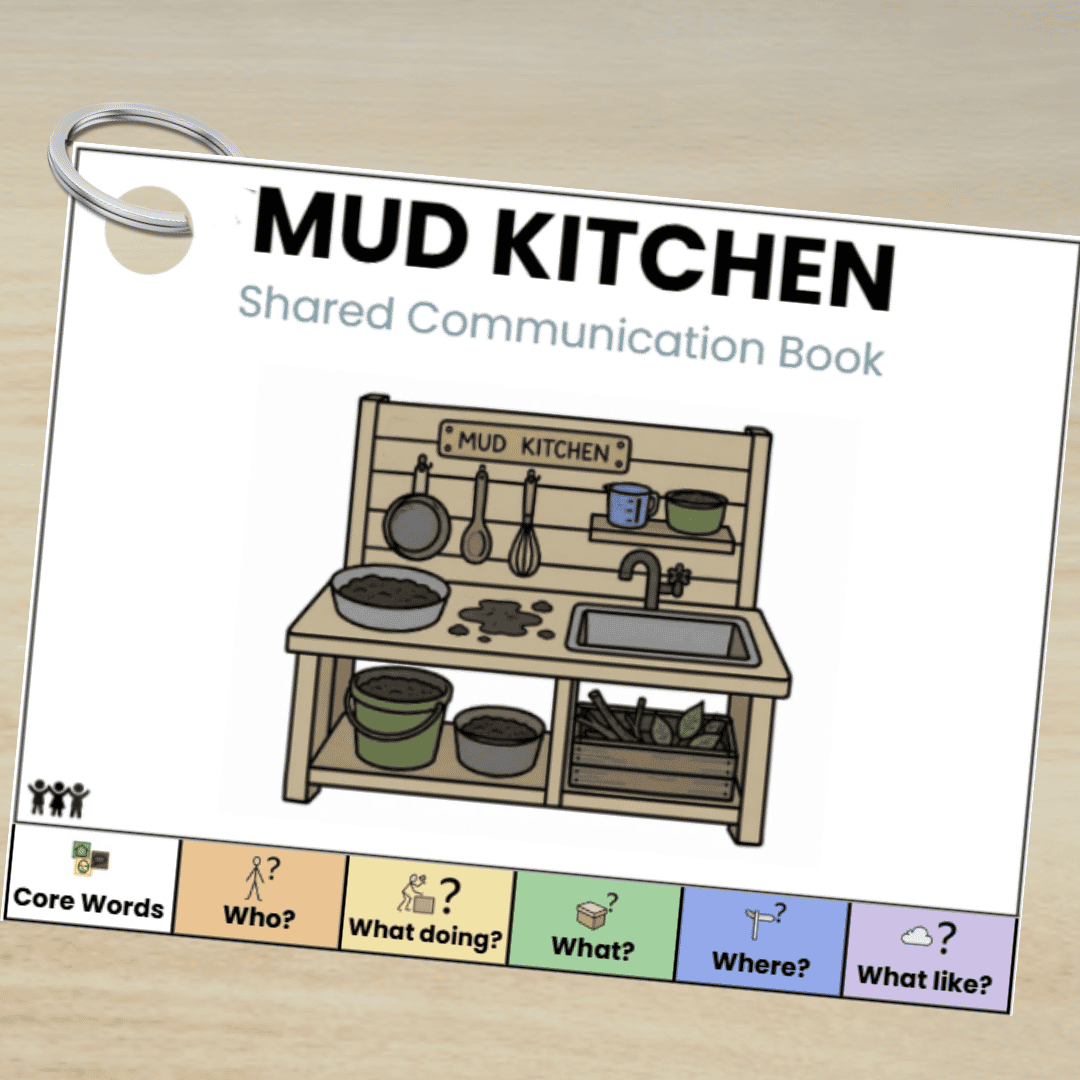
The Mud Kitchen Communication Book is a visual communication resource designed to support autistic and neurodivergent learners during meaningful mud kitchen play. It is part of the Elevating Neurodiversity Shared Communication Book series.
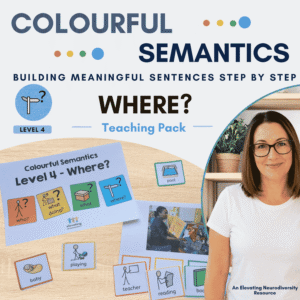
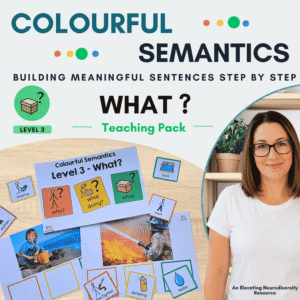
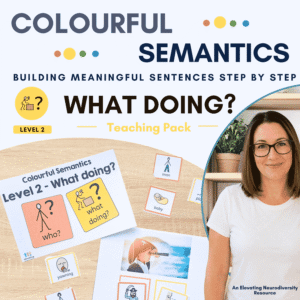
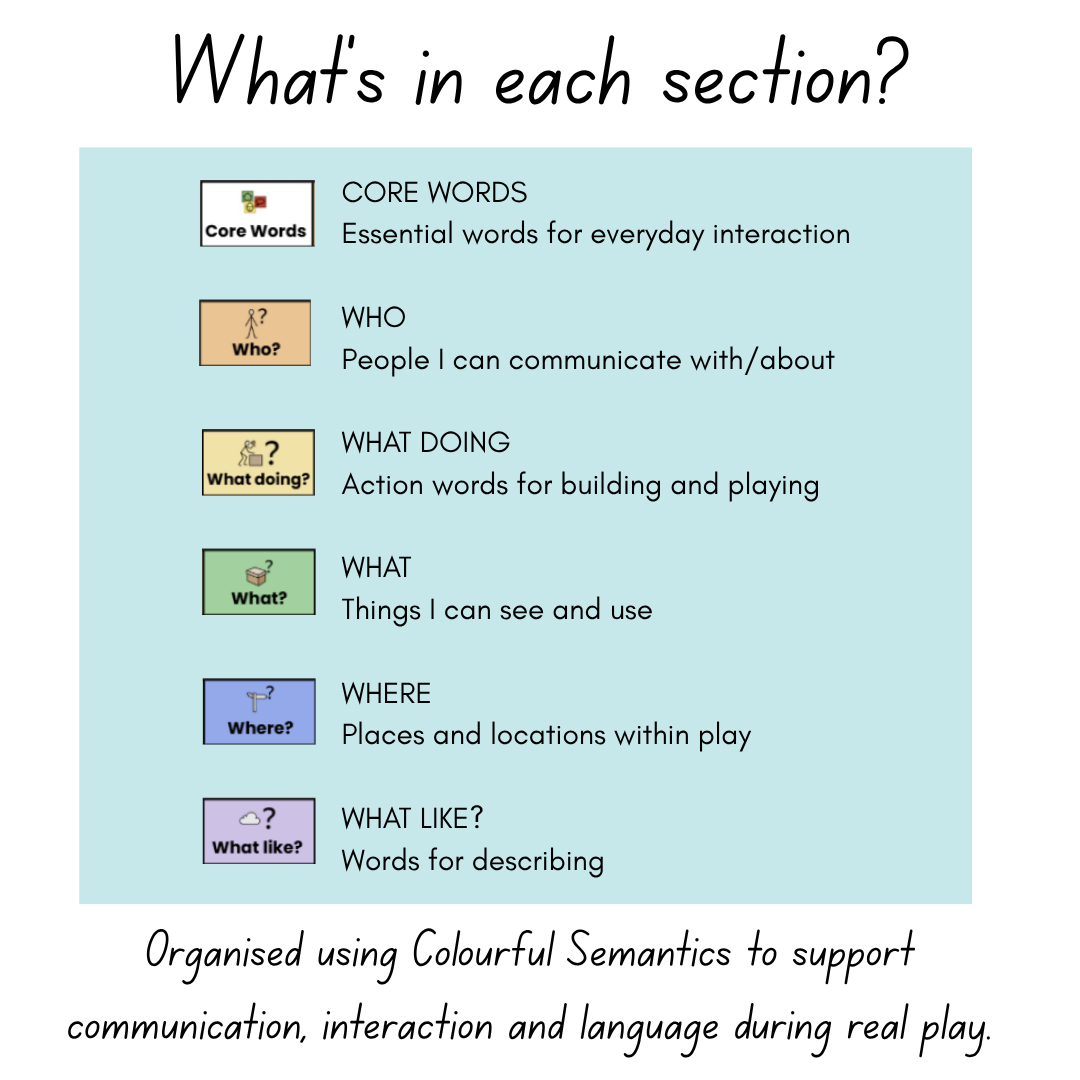
It brings together carefully selected vocabulary for Core Words, WHO, WHAT DOING, WHAT, WHERE and WHAT LIKE?, using the Colourful Semantics framework to help adults model language within real play experiences.
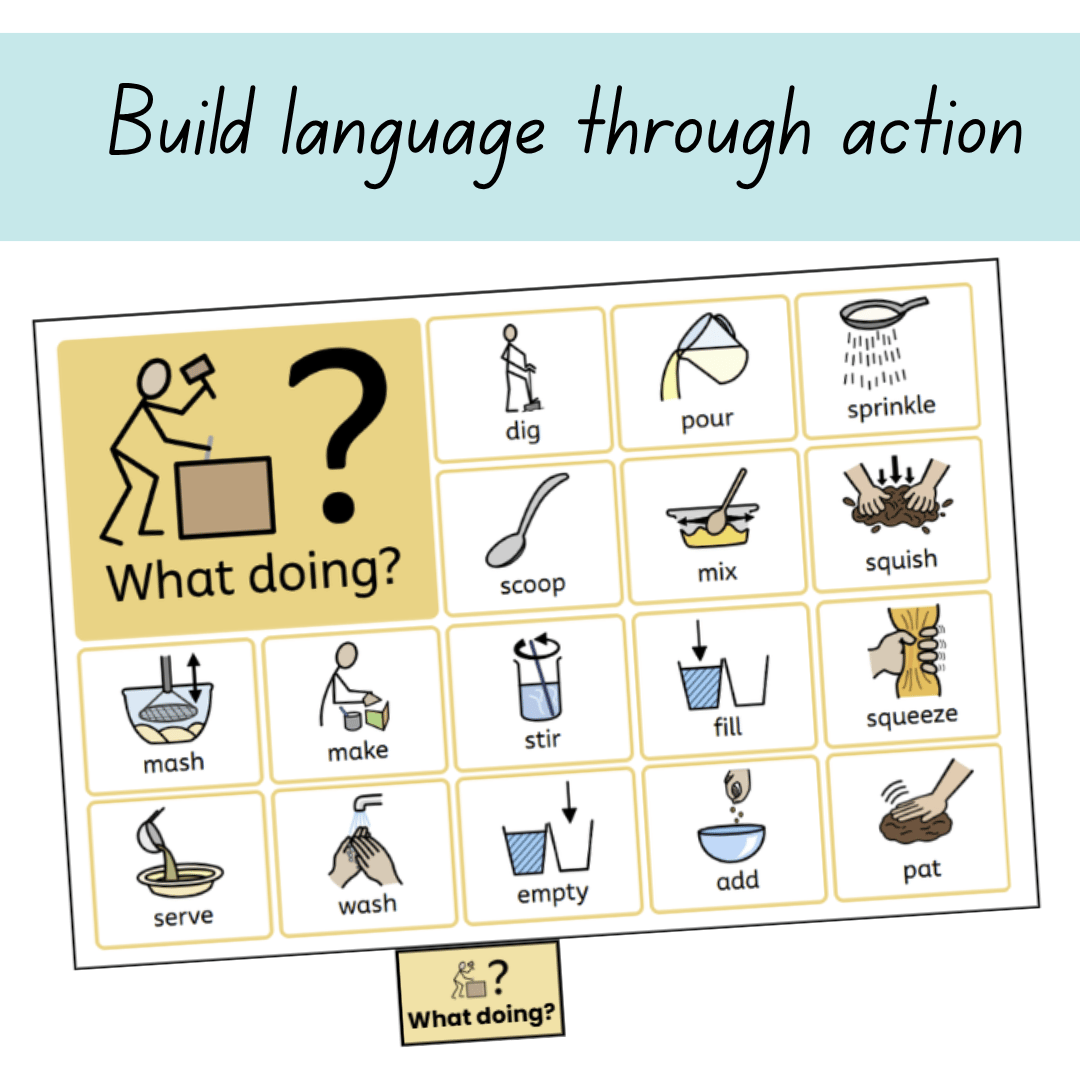
Mud kitchen play naturally creates opportunities to dig, scoop, pour, mix, stir, fill, empty, add, sprinkle, squish, squeeze, pat, mash, make, wash and serve. This communication book helps adults make the language within those experiences more visible and accessible without interrupting the child’s play.
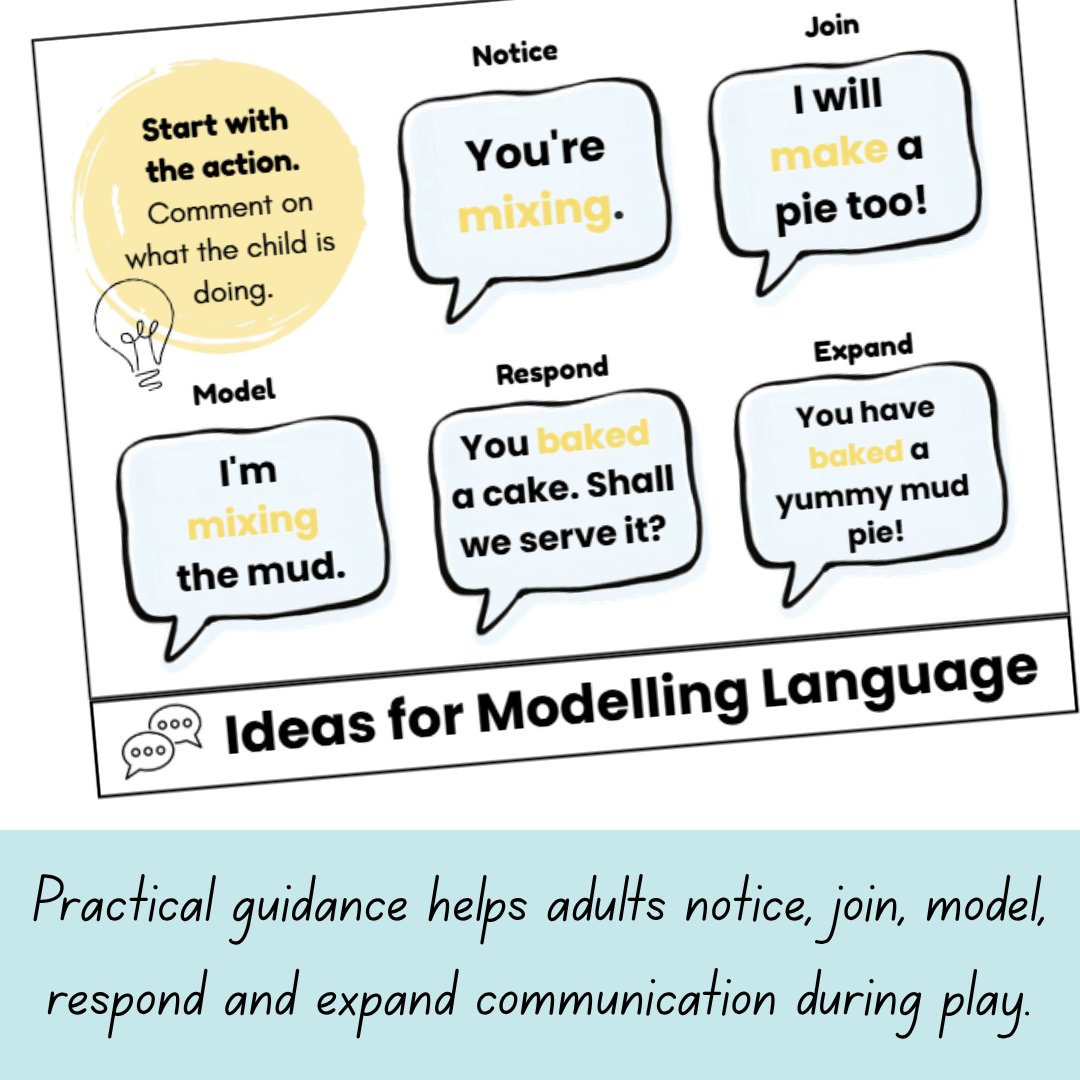
The focus is on meaningful communication rather than testing vocabulary or requiring children to produce sentences on demand. Adults can use the visuals to notice what the child is interested in, join their play, model relevant language and support communication as the experience unfolds.
What’s included
The book includes six communication sections covering Core Words, WHO, WHAT DOING, WHAT, WHERE and WHAT LIKE?
The vocabulary is intentionally focused rather than overloaded, making it easier for adults to find and model useful words during mud kitchen play.
The WHAT DOING section focuses on highly observable actions such as dig, scoop, pour, mix, stir, fill, empty, add, sprinkle, squish, squeeze, pat, mash, make, wash and serve.
The WHAT section includes familiar mud kitchen materials, tools and creations such as mud, water, bucket, bowl, pot, spoon, scoop, jug, sieve, whisk, funnel, tray, leaves, sticks, stones and mud pie.
The WHERE section focuses on meaningful locations within the play environment, while WHAT LIKE? provides descriptive vocabulary including muddy, wet, dry, sticky, slimy, thick, thin, lumpy, smooth, rough, cold, warm, heavy, light, full and soft.
The resource also includes practical guidance to support adults in using the visuals responsively during shared play.
Use it during real mud kitchen play
Take the communication book into your mud kitchen, outdoor play area or messy play environment and use it alongside the child’s actual experience.
Instead of stopping play to complete a worksheet, adults can model language around what is already happening.
A child digs into the soil. The adult can model dig, mud, soil or more.
A child scoops mud into a bowl. The adult can model scoop, mud, bowl or full.
A child pours water into a pot. The adult can model pour, water, pot or more.
A child mixes mud and water together. The adult can model mix, mud, water or thick.
A child makes a pretend mud pie. The adult can model make, mud pie, muddy or serve.
The aim is to make communication part of the experience.
Who is it for?
This mud kitchen communication resource is suitable for class teachers, specialist teachers, teaching assistants, SENCOs, speech and language professionals and families supporting autistic and neurodivergent learners.
It can be used in mainstream classrooms, specialist settings, autism provision, early years environments and at home.
Part of the Shared Communication Book series
Mud Kitchen is part of the Elevating Neurodiversity Shared Communication Book series.
Each book follows the same familiar visual system while focusing on a different everyday play environment, helping adults use consistent communication support across different experiences.
Digital PDF resource. No physical product will be shipped.